
A day in Gobustan: rock carvings and mud volcanoes
Gobustan is known for its UNESCO-listed rock carvings and for a side trip to mud volcanoes — one of the most distinctive day routes from Baku.
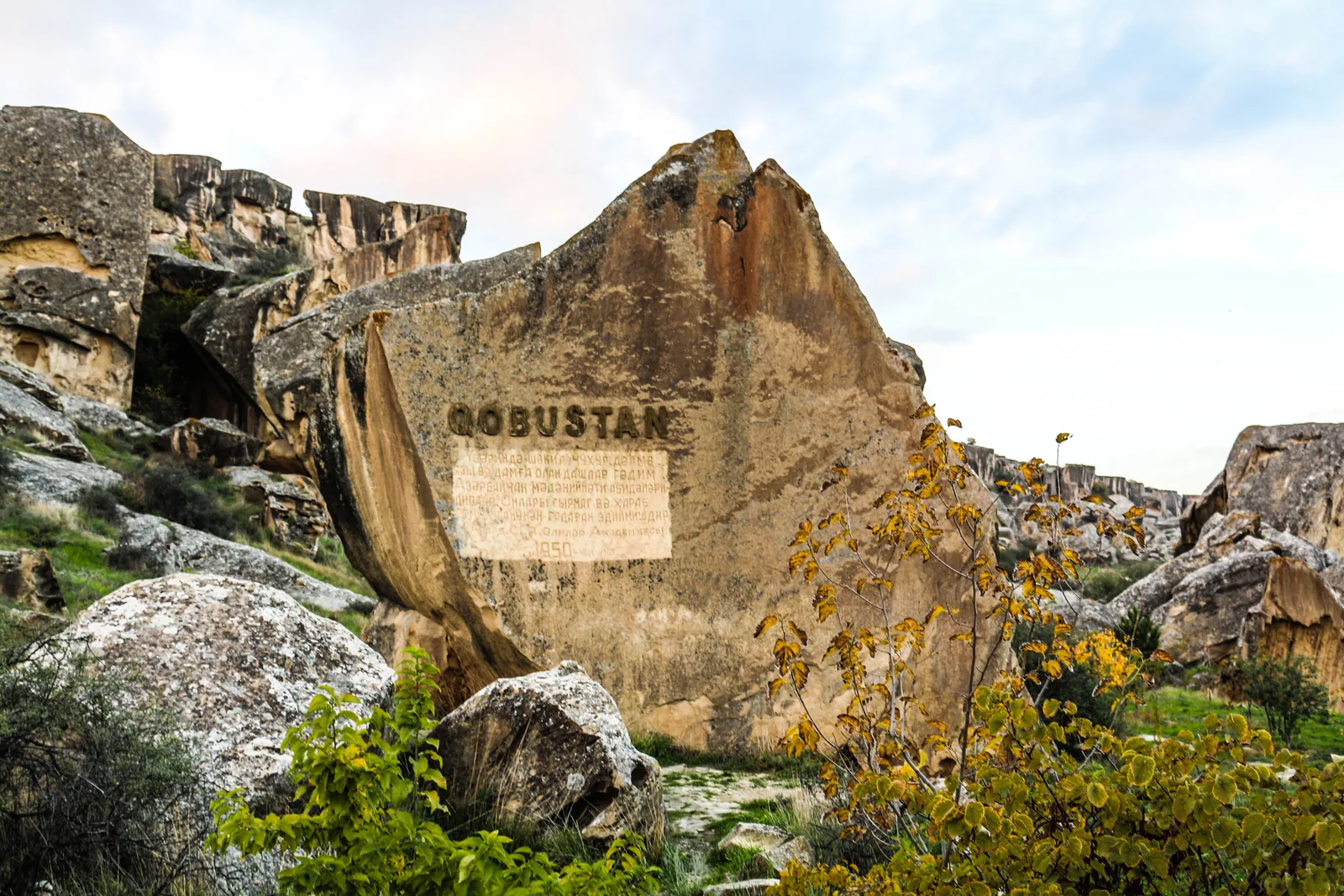
Gobustan is a historical and archaeological reserve, often described as an open-air museum. People come here for a landscape that holds an unusually dense record of the past — carved into rock and written into the shape of the ground itself.
An accidental discovery, now a World Heritage site
The reserve is famous for its well-preserved petroglyphs. They came to light by chance, during work in a stone quarry, and are often called an artistic “archive” of how human life changed over time. In 2007 the cultural landscape of Gobustan’s rock art was added to the UNESCO World Heritage list.
The museum first, then the rocks
A visit usually starts at the interactive museum of the same name. Multimedia programmes and touch screens offer a first look at the flora and fauna of Gobustan before you walk out into the reserve. Among the rocks, the carvings pointed out on the route are dated to the 10th century BC.
Mud volcanoes on the same outing
Azerbaijan ranks first in the world for the number of active mud volcanoes, and traces of that activity are found in Gobustan as well. The volcanoes appear as cone-shaped hills with a crater in the ground. This part of the outing is typically done in an off-road vehicle, which makes it possible to reach the sites themselves.
A practical outline of the day
A standard day trip from Baku runs from morning until mid-afternoon and usually includes transport, a guide, time in the reserve and the drive to the volcanoes. On the way back, many itineraries pause at the mosque in the settlement of Bibi-Heybat and take in the oil platforms on the Caspian. Lunch in a national restaurant can be added at the end of the day, paid separately if you want it.
Photo: Sefer azeri, Wikimedia Commons, CC BY-SA 4.0.